

















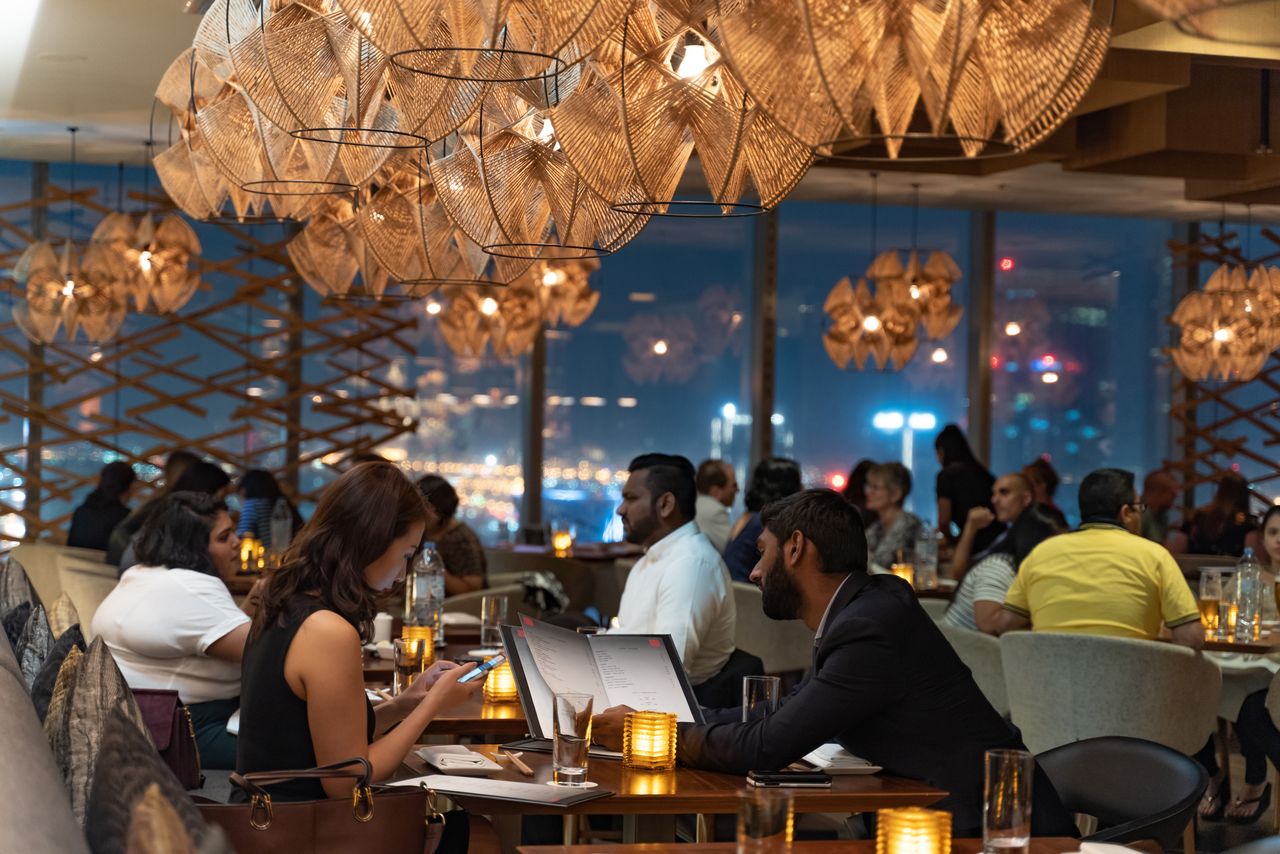
Great food may bring customers into a restaurant, but the atmosphere often determines whether they want to return. A beautifully prepared meal can lose some of its appeal when the dining room feels uncomfortable, poorly maintained, or unnecessarily noisy. Similarly, a welcoming environment can turn a simple dinner into an experience that customers remember long after leaving.
Restaurant owners naturally devote considerable attention to menu development, ingredient quality, and kitchen performance. However, lighting, furniture, cleanliness, service, and interior design all influence how guests perceive the establishment.
Creating the right atmosphere does not necessarily require expensive renovations or elaborate decorative features. Thoughtful decisions about comfort, organisation, and visual presentation can make even modest dining spaces feel inviting.
Understanding how these elements work together helps restaurant owners create memorable experiences that encourage repeat visits, positive recommendations, and stronger customer relationships.
Maintaining Cleanliness That Customers Notice Immediately
Cleanliness is one of the first things guests notice when entering a restaurant. Even attractive interiors can feel uninviting when floors appear dirty, tables are sticky, or neglected corners suggest inconsistent maintenance.
Restaurant owners should establish cleaning routines that cover dining areas, entrances, restrooms, and other frequently used spaces. High-traffic flooring deserves particular attention because food spills, moisture, and outdoor dirt can accumulate throughout the day.
Choosing appropriate cleaning methods helps maintain attractive surfaces while supporting hygiene standards. Professional cleaning resources, including guidance from SweepScrub, can help restaurant operators understand different floor-cleaning approaches and select suitable methods for their facilities.
Cleaning schedules should account for busy service periods rather than focusing entirely on closing procedures. Employees can inspect tables, remove visible debris, and address spills promptly without disrupting the dining experience.
Well-maintained surroundings communicate professionalism and reassure customers that the restaurant takes its responsibilities seriously. Consistent attention to cleanliness also protects furniture and flooring, helping the establishment maintain its appearance over time.
Using Lighting to Create the Right Dining Experience
Lighting influences how customers experience a restaurant from the moment they enter. Bright illumination can make an establishment feel energetic and practical, while softer lighting often creates a more intimate atmosphere.
The appropriate approach depends on the restaurant's identity. A casual breakfast café may benefit from abundant natural light, whereas a fine-dining establishment might prefer warm, carefully positioned fixtures.
Combining different lighting sources provides greater flexibility. Pendant lights above tables, subtle wall fixtures, and indirect illumination can create depth without making the room excessively bright.
Restaurant owners should also consider how lighting affects food presentation. Poorly positioned fixtures may create distracting shadows or distort the appearance of dishes.
Adjustable lighting can help establishments transition between daytime and evening service. A dining room that feels lively during lunch may become more relaxed when the lighting is softened for dinner.
The goal is to establish an environment that complements the menu while allowing customers to see their food and interact comfortably.
Selecting Furniture That Balances Comfort and Style
Restaurant furniture contributes significantly to the overall atmosphere, but attractive tables and chairs are only effective when they support a comfortable dining experience.
Customers may spend considerable time seated, particularly during celebrations, business meetings, or leisurely dinners. Uncomfortable chairs and cramped table arrangements can make these occasions less enjoyable.
Restaurant owners should evaluate seating height, back support, table dimensions, and the space available between neighbouring groups.
Furniture materials also influence the visual identity of a restaurant. Natural wood can introduce warmth, upholstered seating creates a softer atmosphere, and metal furniture may complement industrial-inspired interiors.
Durability deserves equal consideration because commercial furniture experiences frequent use and regular cleaning.
Choosing pieces that are easy to maintain can reduce replacement costs while preserving the restaurant's appearance.
A thoughtfully arranged dining room should feel welcoming without sacrificing practical movement for guests and employees.
Managing Noise and Music Without Overwhelming Guests
Sound is an important but frequently overlooked element of restaurant atmosphere. Conversations, kitchen activity, background music, and movement throughout the dining room all contribute to the overall experience.
Excessive noise can make communication difficult, particularly for guests visiting with family members or attending business meals.
Hard surfaces such as exposed concrete, large windows, and tiled floors may amplify sound. Introducing upholstered seating, curtains, or suitable acoustic panels can help reduce unwanted reverberation.
Background music should complement the restaurant's identity without competing with conversations. A lively casual establishment may benefit from an energetic playlist, while a quieter dining venue might prefer softer music.
Volume should also reflect customer numbers and the time of day. Music that sounds appropriate in an empty dining room may become overwhelming when the restaurant fills with guests.
Staff should be able to communicate comfortably without raising their voices.
Careful sound management helps create an atmosphere where customers can enjoy both their meals and the company of others.
Creating a Consistent Interior Design Identity
An effective restaurant interior communicates what customers can expect before they examine the menu. Colours, materials, artwork, and decorative features all contribute to this impression.
However, consistency matters more than following every popular design trend. Mixing unrelated styles can make a restaurant feel visually confusing rather than distinctive.
A Mediterranean-inspired restaurant, for example, might use warm colours, natural textures, and understated decorative details to reinforce its culinary identity.
A contemporary urban restaurant may prefer clean lines, restrained colours, and carefully selected statement lighting.
Owners should consider how individual design elements work together rather than evaluating each purchase separately.
Small details can make a substantial difference. Coordinated tableware, attractive menus, comfortable textiles, and well-maintained plants can improve the dining environment without requiring structural renovations.
The most successful interiors feel intentional while allowing the food and overall customer experience to remain central.
Training Employees to Contribute to a Welcoming Atmosphere
Restaurant atmosphere is not created through interior design alone. Employee behaviour influences how customers feel throughout their visit, sometimes more strongly than decorative features.
A warm greeting, attentive service, and professional communication can make guests feel welcome immediately.
Staff should understand the restaurant's intended service style. A casual neighbourhood café may encourage relaxed interactions, while an upscale dining establishment might require a more formal approach.
Consistency is particularly important. Customers should receive the same level of attention regardless of how busy the restaurant becomes.
Training employees to recognise when guests need assistance can improve service without creating unnecessary interruptions.
Restaurant managers should also consider how workplace organisation affects the dining experience. Confused responsibilities, poorly coordinated service, and visible disagreements can undermine an otherwise pleasant environment.
Supporting employees through clear procedures, reasonable expectations, and effective communication helps create a calmer atmosphere for everyone.
When staff members feel prepared and confident, their professionalism becomes a natural extension of the restaurant's identity.
Making Every Visit Feel Memorable and Worth Repeating
The strongest restaurant experiences emerge when food, service, and surroundings work together naturally. Customers may initially choose an establishment because of its menu, but their overall impression develops through numerous smaller interactions.
Comfortable seating encourages relaxed conversations, appropriate lighting improves the dining atmosphere, and attentive service helps guests feel appreciated.
Restaurant owners should regularly evaluate these details from a customer's perspective. Sitting at different tables, observing lighting throughout the day, and listening to noise levels during busy periods can reveal opportunities for improvement.
Customer feedback also provides valuable insights. Repeated comments about uncomfortable seating, excessive noise, or inconsistent cleanliness deserve attention even when food reviews remain positive.
Improvements do not always require substantial financial investment. Rearranging furniture, updating lighting, refining cleaning schedules, or adjusting music volume can noticeably change how a restaurant feels.
Ultimately, successful restaurants offer more than satisfying meals. They provide environments where customers feel comfortable spending time, celebrating occasions, and connecting with others.
By treating atmosphere as an essential part of hospitality rather than an optional decorative feature, restaurant owners can create dining experiences that encourage loyalty and distinguish their businesses in a competitive market.