

















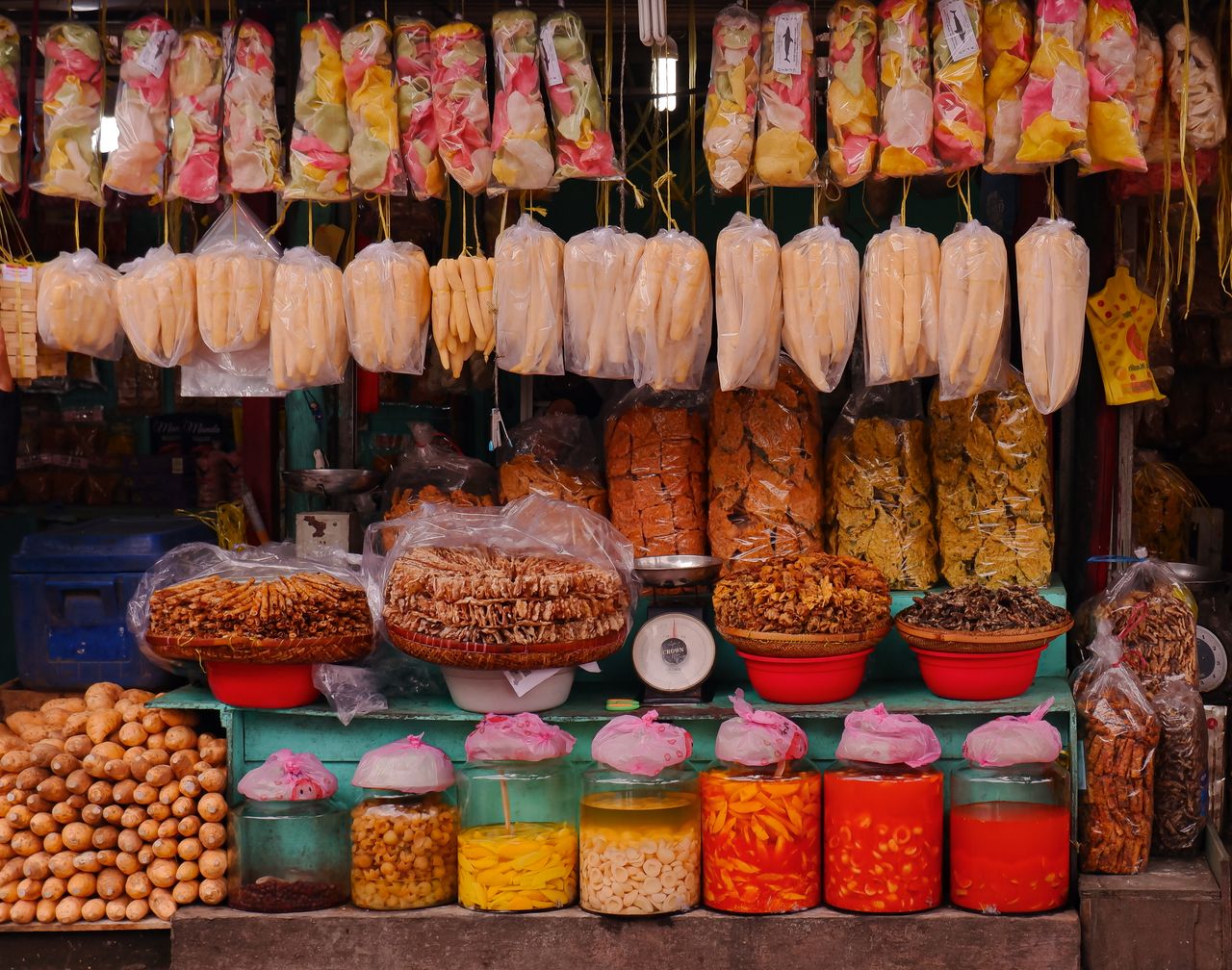
A memorable food journey often begins before the first bite. There is the sound of shutters opening, the sight of bread being arranged, and the small decision to stop at a stall instead of continuing down the street. For a proposed food travel video, I would build the story around those moments. The subject would be a fictional morning market breakfast, presented as an illustrated concept rather than a claim that I had visited a particular vendor.
The sequence would follow a flatbread from the counter to a quiet outdoor table. Its appeal would come from texture and pace: folded paper, a warm surface, scattered herbs, and a cup set down beside the plate. I would avoid a rapid parade of unrelated dishes. One breakfast gives the film a recognisable subject and makes it easier to maintain visual continuity across a short sequence.
A breakfast scene needs more than appetising adjectives
Before generating anything, I would describe the dish in ordinary visual terms. The bread is oval, lightly blistered, and folded around a modest herb filling. The wrapper is plain brown paper. The plate is off-white with a narrow blue rim. These details are more useful than telling a video model to make something delicious, because they establish features that can be checked in every shot. They also help prevent the filling or serving style from changing unexpectedly.
The visual production tool for this concept is seedance 3.0, which creates AI video from text, images, and references that can include video and audio. I would combine a clear photograph of the prepared food with a simple counter sketch and a short camera movement reference. The photograph defines the dish; the sketch defines the composition; the motion clip defines how slowly the viewpoint moves. Each input should answer a different production question.
The opening would show the stall before the food appears. A worker slides a wooden board onto a counter while soft morning light falls from one side. The next shot introduces the bread in close view, followed by the wrapping action and the arrival at the table. That order lets the viewer understand where the breakfast came from. It also creates room for sound to suggest a living market without filling the image with a crowd of unstable background faces.
Choose the detail that carries each shot
For the bread close-up, I would keep the camera nearly still. A small change in angle can reveal the blistered surface without making it look like a glossy product floating in space. The prompt would specify a real resting surface, natural shadows, and restrained steam only if the dish would plausibly produce it. Steam is not a universal shorthand for freshness; excessive clouds can hide the food and make a simple breakfast feel theatrical.
The wrapping shot would be the most demanding part of the concept. Paper must fold around an object while hands remain believable. I would start with one visible fold rather than a complete wrapping performance. In Seedance 3.0, that means describing the beginning and end of a single action: the paper lies open, one edge is lifted, and the bread remains supported on the counter. The camera would stay locked so movement errors cannot hide behind a sweeping transition.
A second option would show the parcel already wrapped, with a hand simply sliding it towards the edge of the counter. That still communicates service and exchange. If the more elaborate fold fails repeatedly, the simpler shot may tell the same story more clearly. I would choose the version that looks natural at normal playback speed, not the one with the most ambitious prompt. Food films often benefit from letting ordinary gestures carry the scene.
Keep the place specific without inventing travel facts
The market setting would have a limited palette of pale stone, dark wood, and muted fabric awnings. I would avoid generating a recognisable landmark unless the project had accurate references and a reason to use it. Likewise, shop names, opening hours, prices, and menu descriptions would be added later from verified information if the concept became a real destination feature. An attractive invented sign can easily become a misleading practical detail.
Reference images for Seedance 3.0 would come from original material or sources with appropriate permission. I would not use a stranger's face to imply that they served or endorsed the meal. A scene can feel inhabited through a sleeve, a hand, and a shadow without turning an identifiable person into a fictional vendor. The story is about the breakfast and the rhythm of a market morning, so background detail should support those subjects.
The final table scene would preserve the same bread, wrapper, and plate. I would place the cup to the right in both the medium view and the close-up, and keep the light coming from the same direction. These small choices matter because viewers notice continuity failures even when they cannot immediately name them. A wrapper that changes colour or a cup that jumps across the table can break the feeling of one continuous breakfast.
Let sound suggest the wider market
I would plan a quiet soundscape before choosing music. A paper rustle, a cup touching a saucer, and a low murmur can suggest activity outside the frame. An original or licensed ambient recording could serve as a reference, with instructions to keep voices indistinct. When working in Seedance 3.0, I would separate the desired mood from precise sound events: general market atmosphere is one job, while a cup landing at a visible moment is another.
During editing, I would listen for abrupt changes between clips and for sounds that do not match the image. A loud metallic scrape under a wooden board, for example, would distract from the food. The film should also work without sound because many viewers encounter travel clips while scrolling. The sequence of counter, parcel, and table must remain readable on its own, with short captions providing context only where the images need help.
Set a revision allowance before making variations
My first round would test a few compositions rather than generate every shot at once. Once the dish and lighting feel consistent, I would develop the wrapping action and final table scene. I would review the current seedance 3.0 pricing against the selected settings and allow for discarded versions. That keeps the production plan tied to the actual sequence, including its difficult moments, instead of assuming that every generation will be usable.
The finished concept would be assembled as a short horizontal film and a separately reviewed vertical cut. I would add any text in the editor, inspect the food at full size, and check that the crop does not remove the action. The final caption would identify the imagery as AI-generated. A successful food travel concept should leave viewers with a clear sensory impression of a morning ritual while keeping imagined scenes distinct from verified recommendations about where to eat.