

















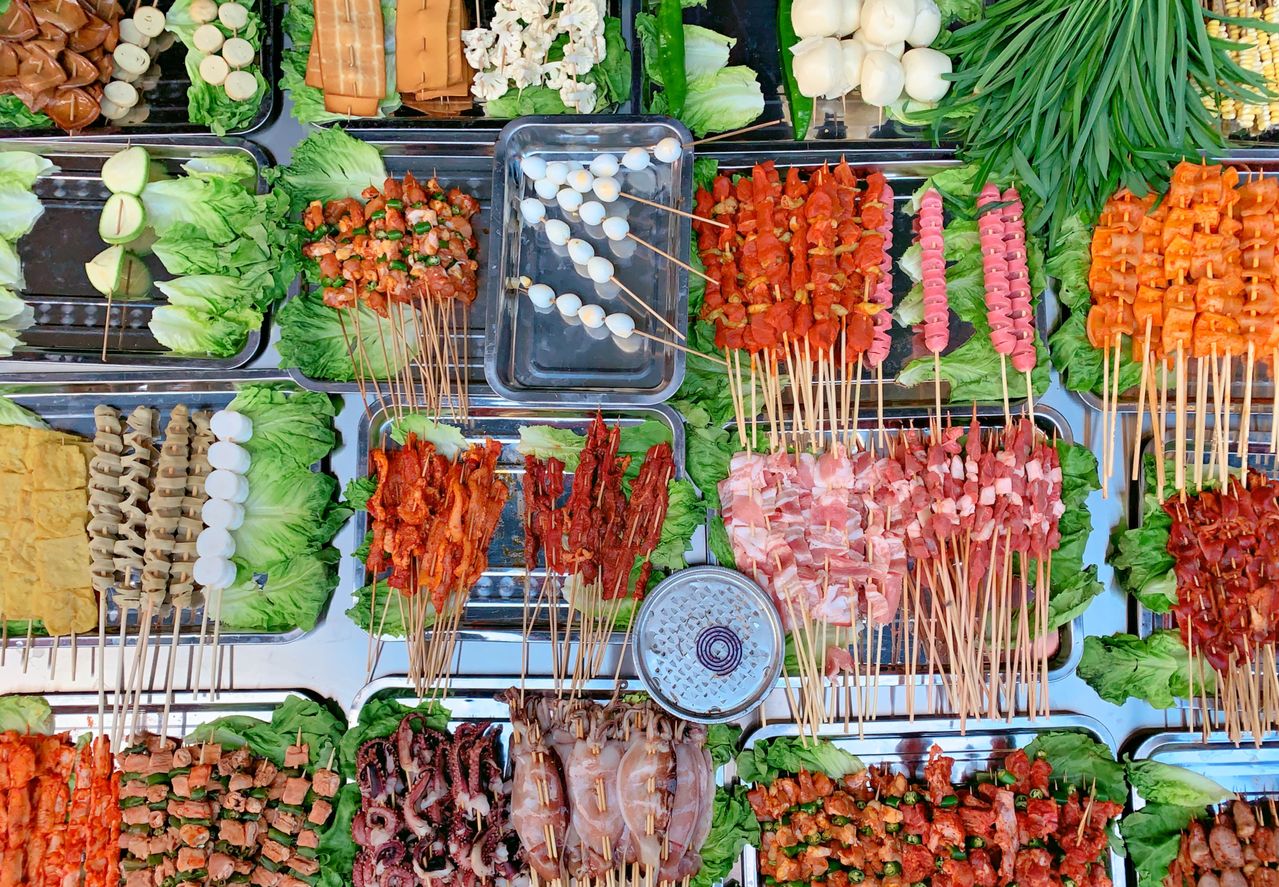
Some of the most memorable travel experiences happen far from famous landmarks and expensive restaurants. They unfold beside sizzling grills, colorful market stalls, and crowded sidewalks where local vendors prepare dishes that have been enjoyed for generations. Street food offers travelers a direct connection to a city's culture, revealing flavors and traditions that ordinary sightseeing rarely captures.
From Bangkok's night markets to Mexico City's taco stands, street food reflects the people, history, and everyday rhythms of a destination. Every neighborhood has its specialties, and even familiar dishes can taste completely different when prepared according to local customs.
Exploring these food scenes is about more than satisfying hunger. It involves discovering family recipes, observing neighborhood life, and understanding how simple ingredients become meaningful parts of a city's identity. The experiences often remain memorable long after a journey ends.
Street Markets Reveal How Locals Really Live
Street food markets are fascinating because they bring together much more than cooking. They are gathering places where commuters stop for breakfast, friends meet after work, and vendors build relationships with regular customers.
Many markets also contain small shops selling drinks, household essentials, and other everyday products. These businesses reflect local consumer habits, where comparisons between familiar products can become part of ordinary purchasing decisions. Discussions such as snus vs Zyn illustrate how shoppers distinguish between different nicotine product categories, although these products are unrelated to the culinary traditions that make street markets worth visiting.
For travelers, the greatest attraction remains the atmosphere surrounding the food stalls. Watching vendors prepare dishes, hearing customers exchange recommendations, and discovering unfamiliar ingredients creates a more authentic experience than following a predetermined restaurant itinerary.
A market's personality often emerges through these small interactions, giving visitors an understanding of local life beyond popular attractions.
Bangkok's Night Markets Offer an Explosion of Flavors
Bangkok is internationally recognized for its energetic street food culture. Throughout the city, vendors prepare dishes that combine sweet, salty, sour, and spicy flavors in distinctive ways.
Visitors may encounter freshly grilled skewers, aromatic noodle dishes, papaya salads, and desserts made with coconut milk. The variety makes street food exploration particularly appealing because several different specialties can be enjoyed during a single evening.
Night markets add another dimension through colorful lights, busy seating areas, and the constant movement of customers between stalls. Cooking often happens directly in front of diners, transforming food preparation into part of the experience.
One of the best approaches is to observe what local customers order and explore regional specialties rather than choosing only internationally familiar dishes.
These markets demonstrate how everyday dining can become one of a destination's most memorable attractions.
Mexico City's Taco Stands Preserve Culinary Traditions
Mexico City's street food scene is deeply connected to the country's culinary heritage. Taco stands appear throughout residential neighborhoods, commercial districts, and busy transportation areas, serving customers throughout the day.
Fresh tortillas, carefully prepared fillings, chopped onions, cilantro, and distinctive salsas create combinations that vary between vendors. Tacos al pastor, carnitas, and other regional preparations reflect different cooking traditions and ingredients.
The experience extends beyond the food itself. Customers often gather around compact stands, eating while exchanging conversations with vendors and other diners.
Many establishments develop loyal followings through recipes refined over years or passed between family members. Their reputation depends on consistent preparation rather than elaborate surroundings.
For visitors, sampling tacos from several neighborhoods provides an opportunity to appreciate the diversity of Mexican street cooking and the role food plays in everyday urban life.
Istanbul Brings History to Its Street Food Culture
Istanbul's street food reflects centuries of cultural exchange and its position between Europe and Asia. Markets, ferry terminals, and neighborhood streets offer an impressive selection of traditional foods shaped by regional influences.
Simit, a sesame-covered bread ring, is a familiar sight throughout the city. Roasted chestnuts, grilled corn, and fish sandwiches also contribute to the distinctive atmosphere of its public spaces.
Food vendors often operate near historic buildings and busy transportation routes, allowing travelers to combine culinary exploration with encounters with the city's architectural heritage.
The Bosphorus adds another memorable setting, particularly when enjoying a simple snack while watching ferries cross the water.
What makes Istanbul special is the connection between food and everyday movement. Street dishes are not merely tourist attractions; they remain convenient, recognizable parts of local routines.
European Food Markets Offer Their Own Distinctive Experiences
Street food is not limited to Asian or Latin American destinations. European cities have developed equally memorable traditions centered on markets, public squares, and neighborhood food stalls.
In Naples, pizza sold in portable forms reflects the city's long association with accessible, freshly prepared food. Berlin's currywurst stands demonstrate how simple dishes can become strongly associated with local identity.
London's food markets offer another approach, combining traditional British specialties with cuisines introduced through the city's diverse communities. Visitors can explore international flavors within a relatively compact area.
These experiences show how street food evolves alongside urban populations. Immigration, changing tastes, and new generations of vendors continually influence what becomes popular.
The result is a food culture that preserves familiar traditions while welcoming new interpretations.
The Best Street Food Memories Come From Curiosity
Finding memorable street food requires more than searching for the most photographed stall. Travelers often discover exceptional experiences by exploring neighborhoods, speaking with residents, and remaining open to unfamiliar dishes.
Busy stalls with steady local customers can provide useful clues, although basic food hygiene remains important. Observing preparation practices and choosing freshly cooked dishes helps make the experience more comfortable.
Learning a few local food expressions can also improve interactions with vendors. Simple conversations may reveal ingredients, cooking techniques, or family stories that make a meal more meaningful.
Street food offers something luxury dining cannot always reproduce: an immediate connection with the everyday character of a destination. The flavors, sounds, and conversations become part of the memory.
Ultimately, unforgettable cities are remembered not only for their monuments but also for the ordinary experiences that reveal how people live. A freshly prepared dish enjoyed on a busy sidewalk can capture that identity beautifully, turning a simple meal into a lasting travel memory.